
Individual tubular history
Connect issue, use, inspection, repair, transfer, storage, and retirement to one physical asset.
Drill pipe and tubular RFID
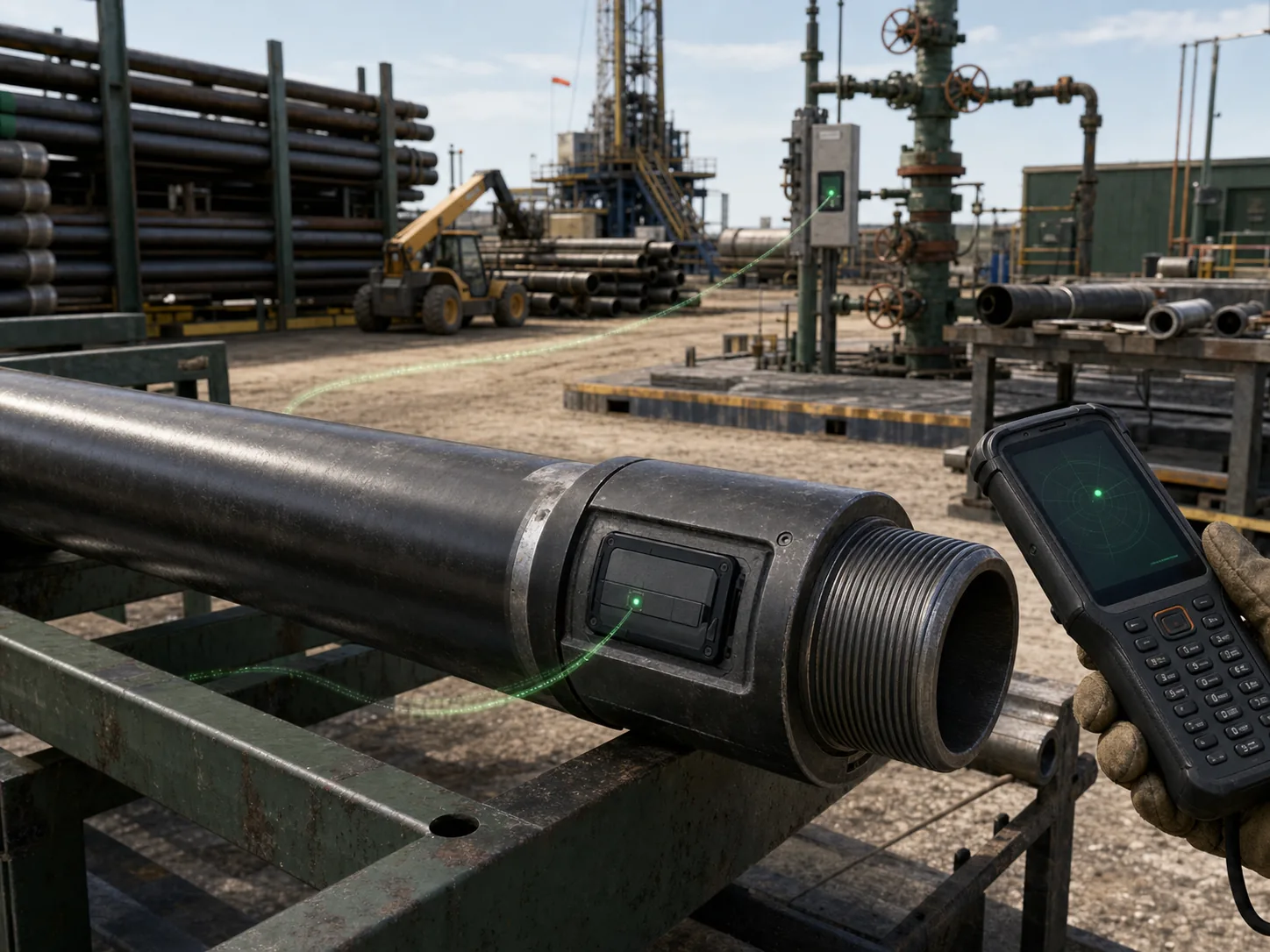
Drill pipe, tubing, casing, and related tools need an identity that stays connected to the individual asset through yards, inspection, repair, transport, wellsite handling, and retirement. The tag and installation must be engineered around the tubular structure and operating risk.
More than a tag
Tubular projects require structural review before any machining or installation. Coupling or tool-joint geometry, wall thickness, thread protection, recess location, impact exposure, pressure, temperature, inspection practice, and read-zone design all affect feasibility.
Connect issue, use, inspection, repair, transfer, storage, and retirement to one physical asset.
Use handheld readers for receiving, search, audit, inspection, maintenance, and exception checks.
Evaluate fixed antennas at wellhead or handling points where asset movement and orientation are controlled.
Engineering boundaries
No tag should be specified from a generic catalog claim alone. Structural responsibility and installation approval remain with the asset owner and qualified engineering parties.
Review outside diameter, wall thickness, coupling or tool-joint geometry, threads, shoulders, and protected areas.
Define recess, retention, sealing, flushness, impact protection, installation tooling, and replacement procedure.
Confirm pressure, temperature, vibration, impact, corrosion, mud, oil, cleaning, and downhole or surface service.
Map yard handheld checks, inspection stations, maintenance records, transport, wellsite handling, and fixed read points.
System starting points
Representative products indicate possible system components. The tubular tag itself may require project-specific packaging and installation engineering.
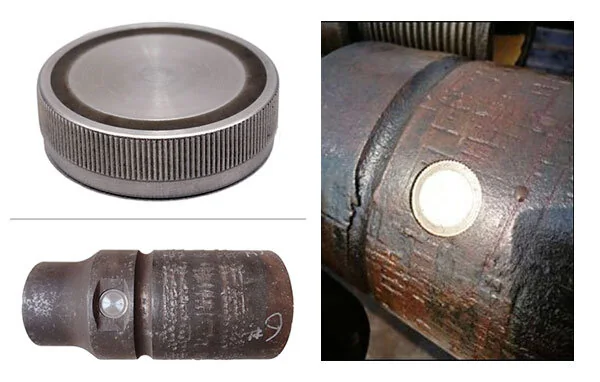
Protected tag
A recessed or otherwise protected RFID structure evaluated against the coupling or tool-joint geometry.
View product details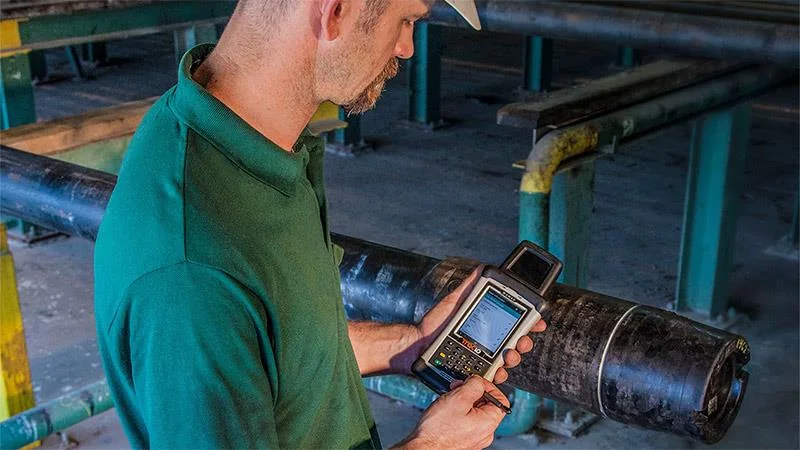
RX-1001U
Mobile verification for receiving, inspection, search, inventory, transfer, and exception handling.
View product details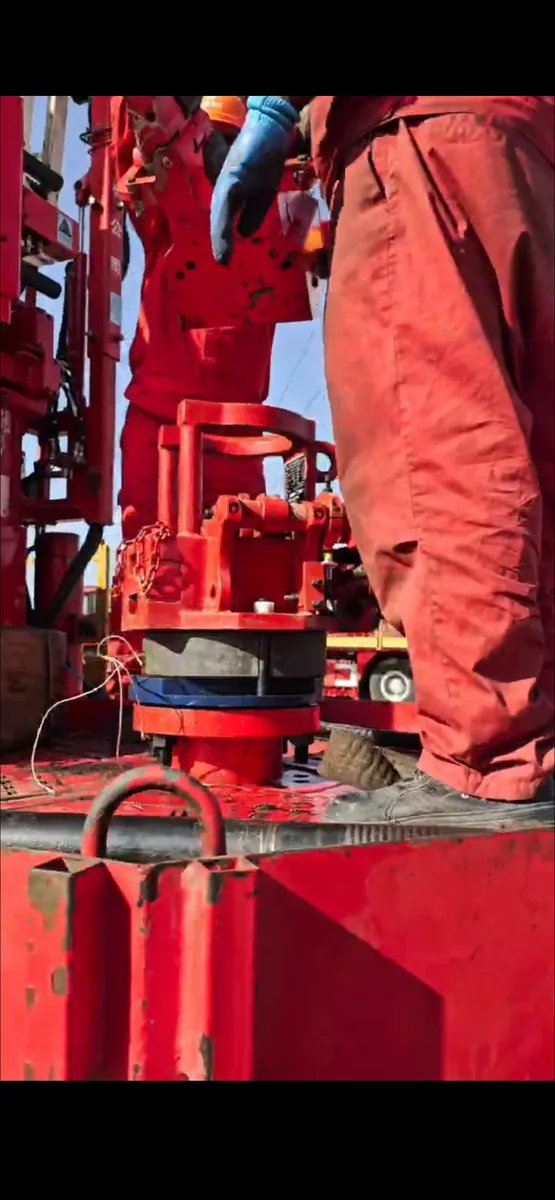
Fixed read zone
Antenna and reader arrangement for controlled tubular movement at repeated handling points.
View product detailsProject sequence
A credible drill-pipe RFID project advances through controlled engineering stages rather than jumping directly to fleet-wide installation.
01
Identify tubular families, geometry, service class, inspection rules, handling, and lifecycle records.
02
Design protected placement and retention without making unsupported structural assumptions.
03
Verify mounted RF behavior, pressure or environmental tests, handling, and intended handheld or fixed read zones.
04
Connect receiving, issue, inspection, repair, transfer, wellsite handling, and retirement records before scaling.
Related paths
Review tubulars, equipment, instruments, vehicles, installations, pumps, valves, and field materials.
Compare protected, rugged, high-temperature, and on-metal identity options.
Connect handheld and fixed reads to asset, inspection, maintenance, and enterprise systems.
Common questions
Not for demanding service. Tubular identity generally needs protected or recessed installation designed around the exact structure, exposure, and inspection requirements.
No. RFID identifies the asset and connects records; it does not replace qualified inspection, maintenance, structural assessment, or operating procedures.
Not automatically. Geometry, wall structure, material, service environment, installation location, and read process must be reviewed by asset family.
Provide drawings or representative dimensions, service environment, current inspection records, handling process, read points, and target system. REAOX can help structure a practical validation plan.