
01
Start with the item material
Metal, liquids, glass, and proximity to the human body affect RF performance differently. Begin with on-metal tags for metal assets.
Start with the application
You do not need to know a model number first. Define the item, reading method, and operating environment to narrow the options, then confirm the choice with sample testing.
Six-step selection
These six inputs are more useful than a model number and are the first details needed for a meaningful sample recommendation.
01
Metal, liquids, glass, and proximity to the human body affect RF performance differently. Begin with on-metal tags for metal assets.
02
Specify handheld, desktop, fixed, or portal reading and whether the workflow reads one item or many items at once.
03
Describe the working distance, tag orientation, read zone, and nearby obstructions instead of relying on a laboratory maximum.
04
Confirm adhesive, cable-tie, screw, embedded, or hang-tag mounting plus temperature, impact, washing, chemicals, and outdoor exposure.
05
If variable text, barcodes, or serial numbers are printed on site, match the label construction to the printer and encoding workflow.
06
Test on the actual item with the intended reader and operating pace before finalizing size, chip, and construction.
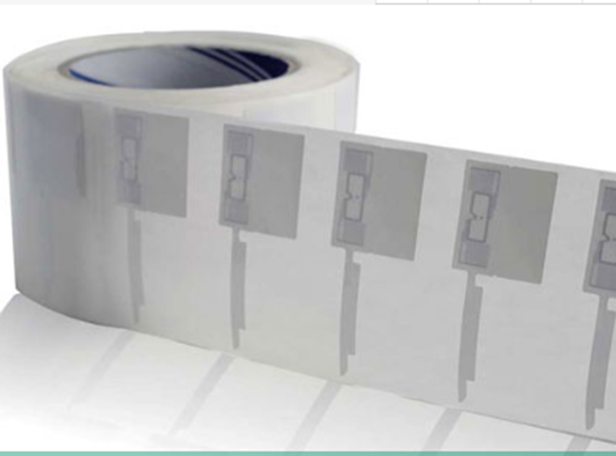
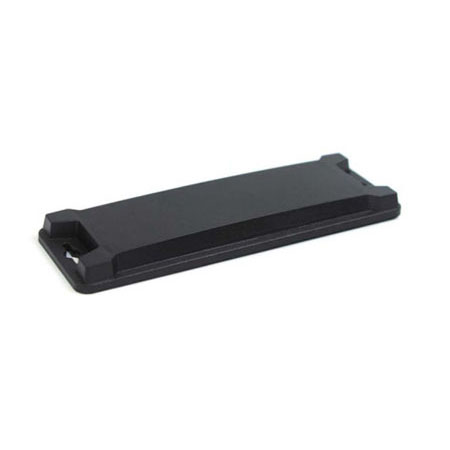
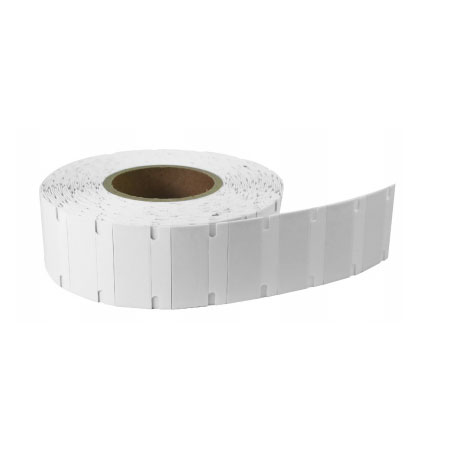
Quick routes
Compare sizes, frequencies, and constructions in the complete RFID tag catalog.
Review rigid on-metal tags and their mounting options.
Review flexible, thin, and printable on-metal labels.
Review rugged tags designed for industrial environments.
Review compact jewelry tags and item-level inventory workflows.
Prepare your selection brief
Tell us about the item, material, and workflow. We will map the requirement to tags, reading hardware, and a practical validation plan.